When you invest in a beautiful garment, whether it’s a stunning wedding gown, a sharp suit, or a beloved everyday piece, you want it to fit impeccably. Ensuring that perfect fit often requires expert alterations. Many of our Tustin clients wonder, “What influences the final price of these essential adjustments?” Understanding the cost factors for clothing alterations isn’t just about the numbers; it’s about appreciating the craftsmanship and dedication that go into making your clothing look and feel just right.
At L’Mode Bridal, we believe in transparency and educating our clients. The price of an alteration is never arbitrary; it’s a reflection of the garment’s complexity, the unique demands of its fabric, and the precise skill of our tailoring team. From the delicate nature of silks and intricate laces to the structure of formal wear and the sheer volume of seams in a complex design, each element plays a crucial role in determining the time and expertise required.
This article will demystify how clothing alteration costs are calculated. We’ll explore the specific elements, from fabric types and embellishments to seam complexity and the labor involved, that contribute to the final price. By understanding these key cost factors for clothing alterations, you’ll gain a deeper appreciation for the value of expert tailoring and be better equipped to budget for those essential wardrobe enhancements that make your pieces truly your own.
Understanding the Price Tag: Factors Influencing Clothing Alteration Costs
This section will serve as an introduction, setting the stage for the detailed breakdown of alteration cost factors and emphasizing the value of expert tailoring.
The Foundation of Cost: Fabric and Material Complexity
Delicate Fabrics: Silks, Chiffons, and Laces
Complex fabrics such as silks, chiffons, and laces present unique challenges for tailors, often driving up alteration costs. These materials are exceptionally delicate, prone to snagging, tearing, or water spotting with improper handling. Altering them requires meticulous care, specialized needles, and a gentle touch to avoid irreversible damage. This increased attention to detail and the risk involved mean that adjustments to garments made from these materials demand more time and skill. For instance, hemming a silk skirt or taking in a lace-trimmed bodice involves painstaking work to ensure the fabric’s integrity and the preservation of its delicate texture and sheen, directly impacting the overall clothing alteration pricing.
Heavier and Structured Materials: Wool, Denim, and Linens
While seemingly more robust, heavier fabrics like wool, denim, and linen also contribute to garment alteration expense. These materials often require stronger needles and more robust sewing machines to penetrate and stitch effectively. Manipulating thick seams or creating new ones can demand significant physical effort and time. Furthermore, the inherent structure of materials like wool in suits or structured linens can make precise fitting more challenging. Tailors must account for the fabric”s weight and drape to ensure the altered garment hangs correctly and maintains its intended shape. This often involves more involved techniques than those used on lighter materials, influencing the tailoring costs.
Garment Structure and Design: More Than Just a Straight Seam
The inherent structure and design of a garment significantly dictate how complex and costly its alterations will be. Simple garments with minimal design features are generally less expensive to adjust than those with elaborate construction.
Intricate Details and Embellishments: Beads, Appliques, and Embroidery
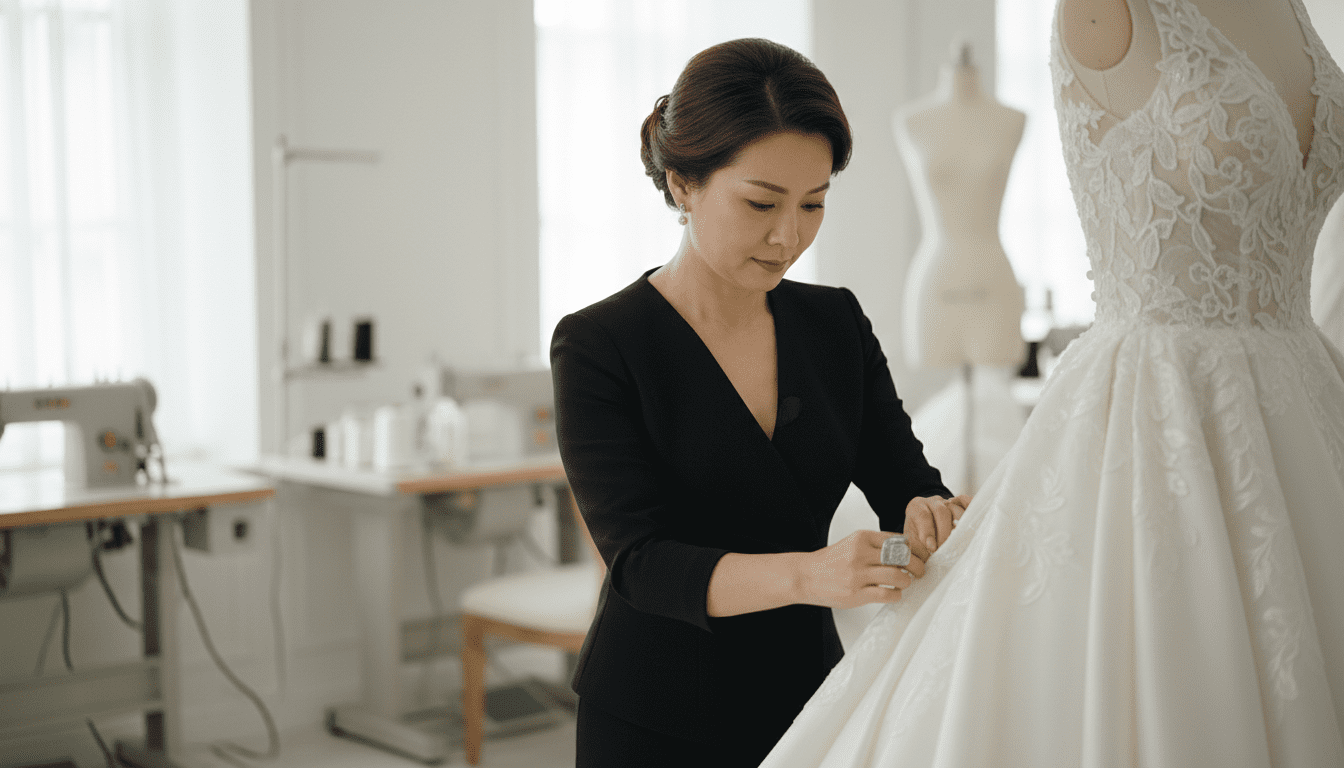
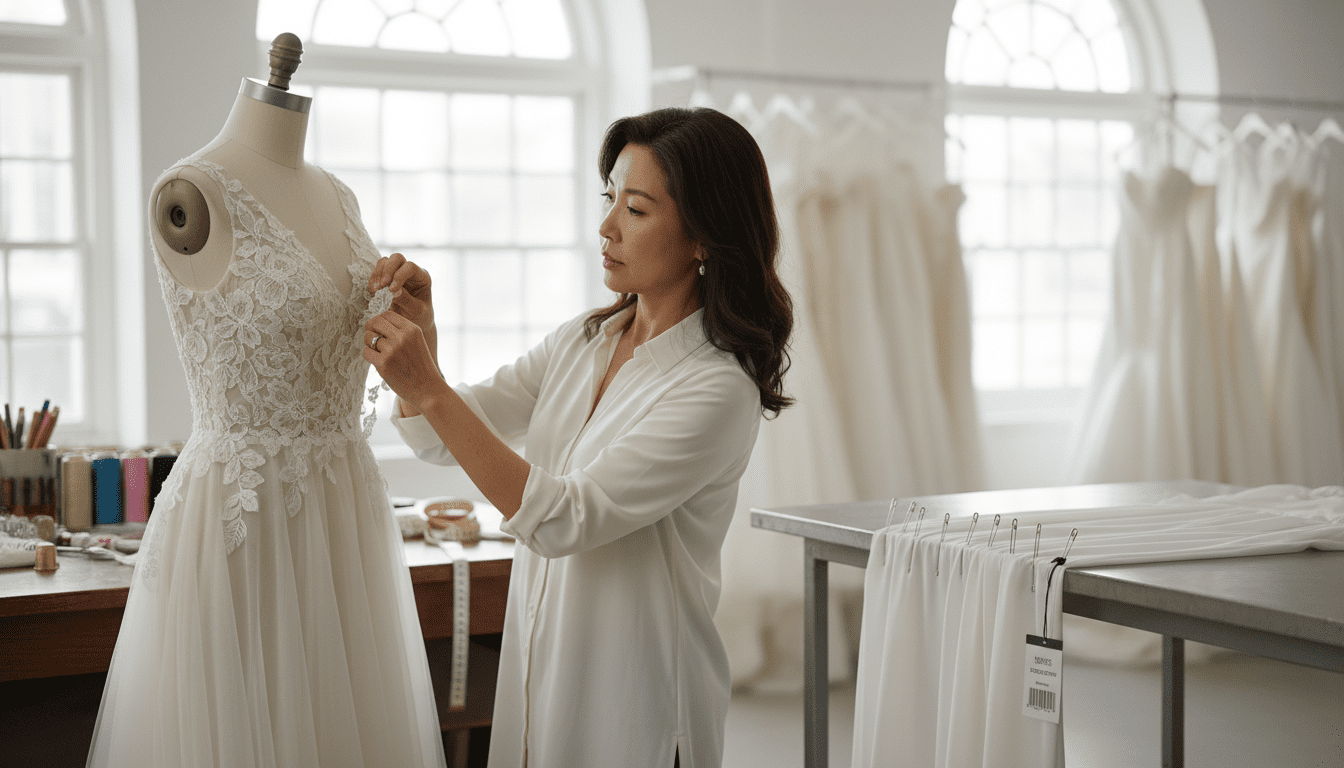
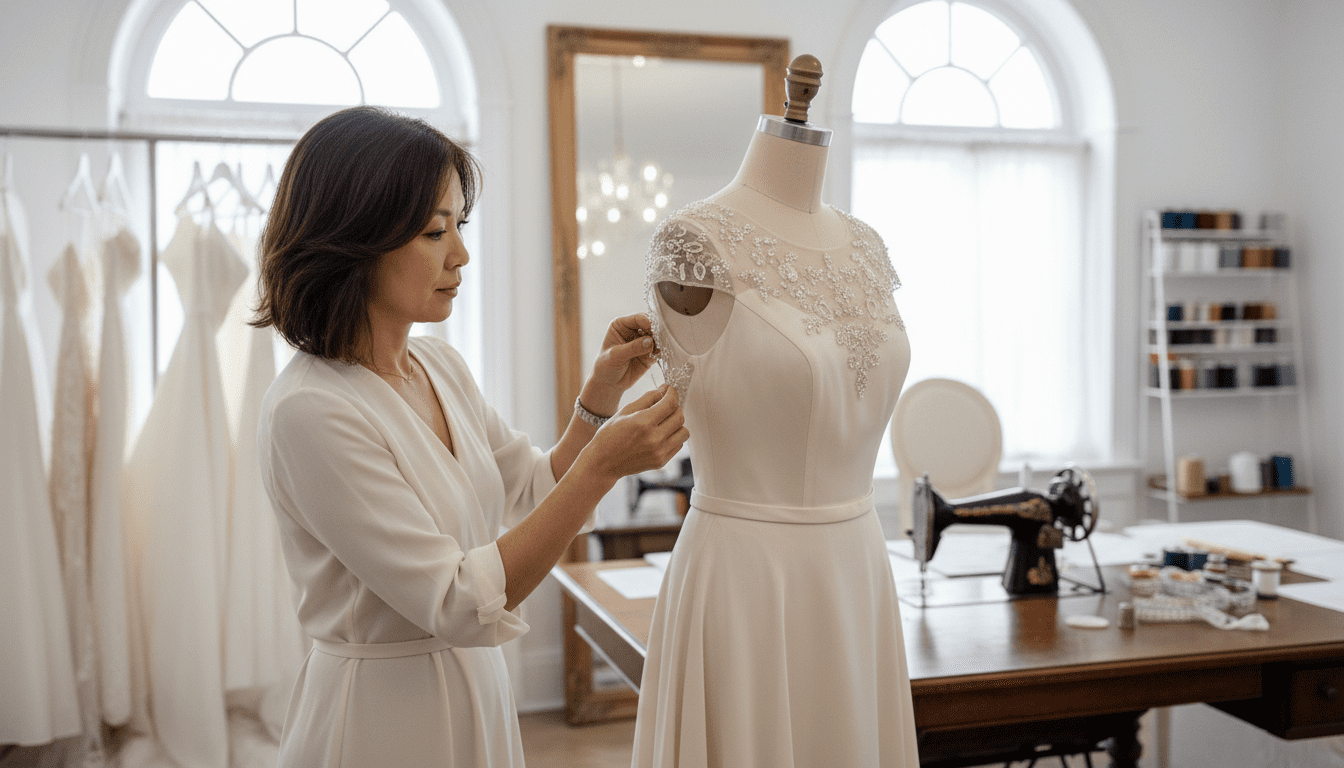
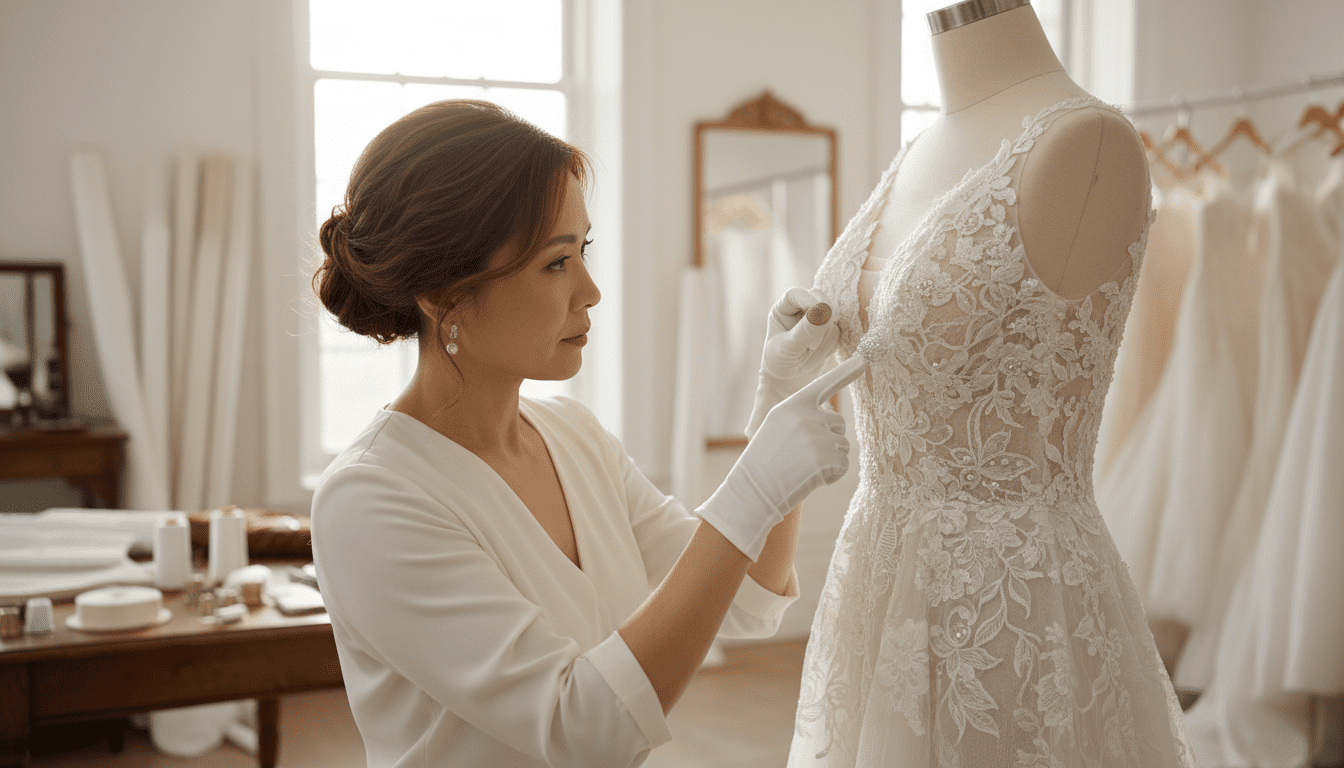
Garments adorned with beads, appliques, or intricate embroidery present a substantial challenge for alteration specialists. Each embellishment must often be carefully removed before any fabric adjustment can occur, and then meticulously reapplied to match the original pattern and placement. This process is time-consuming and requires a high level of precision to ensure that the final look is seamless and that no damage is done to either the embellishments or the base fabric. The sheer labor involved in working around or reapplying these decorative elements is a significant factor in bridal alterations cost and other formal wear. Understanding factors affecting gown alteration prices includes recognizing this detailed work.
Layering and Linings: The Hidden Complexity
Many garments, especially formal wear and outerwear, feature multiple layers or complex linings. Altering these requires addressing each layer individually and ensuring they all integrate correctly after the adjustment. For example, altering the hemline of a dress with a lining and possibly an interlining means sewing each layer precisely to maintain the garment’s structure and drape. Working with these hidden layers adds considerable time and complexity to the process, as precision is needed to avoid puckering or uneven finishes. This is a critical element when considering wedding dress tailoring or other multi-layered garments.
The Role of Seams and Construction in Alteration Pricing
The way a garment was originally constructed plays a crucial role in how easily it can be altered and, consequently, its clothing alteration pricing.
Seam Type and Accessibility: A Technical Consideration
The type of seams used in a garment’s original construction impacts alteration difficulty. French seams, for instance, are enclosed and can be more challenging to undo and re-sew than a simple serged seam. Similarly, the accessibility of seams varies greatly. Seams in tight areas, like inseams on slim-fit trousers or side seams on fitted bodices, require more careful maneuvering of the garment and the sewer’s hands. If a seam is difficult to reach or requires partial disassembling of existing garment structure, it will naturally increase the time and tailoring costs associated with the alteration.
Garment Complexity: From Simple to Sophisticated
The overall complexity of a garment is a direct determinant of garment alteration expense. A basic A-line skirt is typically simpler to alter than a complex, deconstructed dress with asymmetrical elements. Sophisticated garments may involve multiple pattern pieces, darts, pleats, and structural elements that need to be carefully considered and adjusted in unison. For example, altering the waist of a tailored suit jacket requires addressing the lining, interfacings, shoulder pads, and the outer fabric, a far more involved process than adjusting the same measurement on a simple pair of pants. This complexity is a key driver in what determines how much do wedding dress alterations cost.
Skill and Time: The Human Element in Tailoring Costs
Ultimately, the clothing alteration pricing is heavily influenced by the expertise of the tailor and the time they dedicate to achieving a perfect fit.
The Value of Expert Craftsmanship
The experience and skill of a tailor are invaluable. A highly skilled tailor possesses the nuanced understanding of fabric behavior, garment construction, and fitting techniques necessary to solve complex alteration challenges and achieve flawless results. This level of expertise allows them to anticipate potential issues, preserve the garment’s original design intent, and deliver a fit that looks and feels custom-made. The years of training and practice required to reach this level of proficiency are reflected in their bridal alterations cost and general tailoring charges, as clients are paying for guaranteed quality. When you seek out a wedding dress tailor, you are seeking this specific expertise.
Time Allocation: How Labor Translates to Cost
Every alteration, no matter how minor it may seem, requires a specific investment of the tailor’s time. This includes initial consultation and fitting, pinning and marking the garment, the actual sewing and reshaping, and final pressing and inspection. Complex alterations demand more labor hours. For instance, significantly resizing a dress or recutting sleeves can take several hours of focused work. The tailoring costs are a direct representation of this allocated labor, ensuring that the tailor is compensated for their dedicated time and effort. Understanding how to budget for wedding dress alterations involves recognizing that time is a primary cost driver.
The Unique Insight: Alterations as an Investment in Sustainability and Longevity
Viewing clothing alterations solely as an expense overlooks their profound value as an investment. Investing in professional alterations extends the lifespan of your garments, promoting sustainability by reducing the need to purchase new clothing due to fit issues. A perfectly fitting garment is more likely to be worn and cherished for years, contributing to a more conscious and eco-friendly wardrobe. Rather than contributing to fast fashion’s disposable cycle, alterations allow you to adapt existing pieces to your evolving style and body, saving resources and money in the long run. This approach makes quality garment alteration expense a wise, sustainable choice.
Bridging the Gap: L’Mode Bridal’s Commitment to Value and Fit
At L’Mode Bridal in Tustin, CA, we bridge the gap between understanding alteration costs and delivering exceptional value. We believe that every client deserves garments that fit them perfectly, and we strive to make this attainable through transparent pricing and unparalleled craftsmanship. We want our clients to feel confident in their choices, knowing they are investing in quality adjustments that enhance their wardrobe. We are dedicated to providing expert bridal alterations cost estimates and comprehensive tailoring services.
Transparent Pricing for Your Garments
We are committed to providing clear and upfront pricing for all our alteration services. Before any work begins, we discuss the cost factors for clothing alterations relevant to your specific garment and needs. This transparency ensures you understand what influences your clothing alteration pricing and feel confident in the investment you’re making. We aim to eliminate any guesswork when it comes to your tailoring costs. You can learn more about our approach by visiting our services page.
Achieving Your Dream Fit with Expert Care
Our team of experienced tailors is dedicated to achieving your dream fit with expert care. Whether it’s essential wedding dress alterations or adjustments to everyday wear, we apply meticulous attention to detail and use our extensive knowledge of fabrics and construction. Trust L’Mode Bridal, your local wedding dress tailor, to transform your clothing into perfectly fitting pieces that you will love. Explore our expert bridal gown alterations or visit us at L’Mode Bridal to discuss your tailoring needs. Consider looking into how to smartly budget for wedding dress alterations to plan effectively.
By now, you understand that the cost of clothing alterations is a direct reflection of complex factors, from the delicate nature of silks and intricate embellishments to the structural demands of layered garments and the inherent skill of the tailor. At L’Mode Bridal, we demystify these cost factors for clothing alterations, ensuring transparency in every adjustment. Remember, quality tailoring is not just an expense; it is an investment in your garment’s longevity and your personal style, promoting sustainability and ensuring your clothing fits impeccably for years to come.
Let L’Mode Bridal’s expertise transform your cherished garments. We are committed to providing clear pricing and achieving the perfect fit that enhances your confidence and your wardrobe. Visit us to experience the difference expert craftsmanship makes and to discuss your specific needs with our dedicated tailoring professionals.